

Uncategorized
Plastisol Inks The Versatile Choice for Textile Printing
Oct
In the world of textile printing, one ink reigns supreme for its versatility, durability, and ease of use – plastisol ink. Plastisol ink has carved a niche for itself as the go-to choice for a wide range of textile applications. In this article, we’ll delve into the definition, utilization, benefits, applications, and features of plastisol inks to understand why they are the preferred choice for so many textile printers.
Definition: What Is Plastisol Ink?
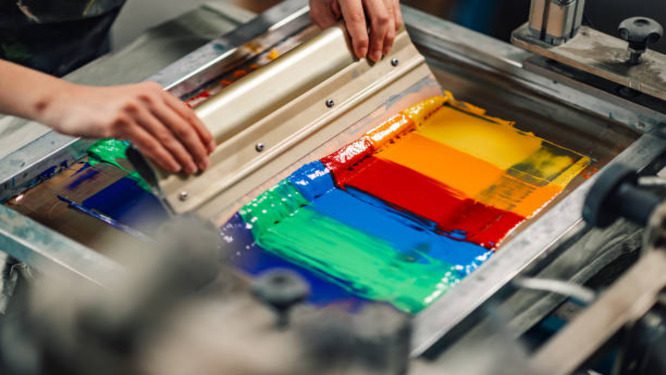
Plastisol ink is a type of screen printing ink known for its unique composition. Unlike water-based inks that are absorbed into the fabric, plastisol inks are PVC (polyvinyl chloride) and phthalate-based inks. They are thick, paste-like inks that do not penetrate the fabric fibers but rather sit on top of the fabric. These inks contain pigments, plasticizers, and a suspension medium, making them highly viscous.
Utilization: The Preferred Choice
One of the primary reasons for the widespread utilization of plastisol inks in the textile printing industry is their versatility. These inks can be used on various fabrics, including cotton, polyester, and blends. They are compatible with both manual and automatic screen printing machines, making them accessible to both small-scale and large-scale printers.
Benefits of Plastisol Inks
Vibrant Colors: Plastisol inks are renowned for their vibrant, opaque colors. They create sharp and brilliant designs that pop on dark or colored fabrics, making them a top choice for t-shirt printing.
Durability: Plastisol prints are highly durable and can withstand multiple washes without fading or cracking. This durability ensures that the prints look as good as new even after repeated use.
Ease of Use: Plastisol inks are incredibly user-friendly. They don’t dry out on the screen, allowing for longer print runs without interruption. The inks can be cured at lower temperatures, reducing the risk of scorching or damaging delicate fabrics.
Print on Any Color Fabric: Plastisol inks can be used to print on light, dark, or colored fabrics without the need for a white under base. This versatility saves time and resources in the printing process.
Ink Mixing: Plastisol inks can be easily mixed to create custom colors, making them a favorite choice for custom apparel printing.
Applications of Plastisol Inks
https://www.youtube.com/watch?v=1lV6NSpgkQk
Plastisol inks find extensive use in various textile applications:
Apparel: T-shirt printing is perhaps the most common application of plastisol inks. The inks adhere well to cotton and polyester, creating vibrant and long-lasting designs.
Sportswear: Sportswear brands often use plastisol inks for printing logos and designs on jerseys, activewear, and accessories due to their durability and vibrant colors.
Promotional Products: Plastisol inks are used to print promotional products like bags, hats, and promotional merchandise.
Fashion Industry: Plastisol inks have made their mark in the fashion industry for printing intricate designs and artwork on various fabrics.
Signage: These inks are also used for printing on banners, flags, and other textile signage materials.
Features of Plastisol Inks
Opacity: Plastisol inks are known for their opacity, which allows for printing on dark or colored fabrics without any show-through.
Stretchability: They offer good stretchability, making them suitable for athletic and activewear.
Long Shelf Life: Plastisol inks have a long shelf life, meaning they can be stored for an extended period without drying out or spoiling.
Eco-Friendly Options: Some manufacturers produce eco-friendly plastisol inks that are phthalate-free, contributing to sustainability efforts.
In conclusion, plastisol inks have rightfully earned their place as the preferred choice for textile printers. Their vibrant colors, durability, versatility, and ease of use make them the ideal option for a wide range of applications. Whether you’re printing promotional merchandise or crafting custom apparel, plastisol inks provide the tools you need to create lasting and vibrant designs on textiles.
